Metered billing, explained
July 9, 2026
Your biggest customer uses 100× more than your smallest. They pay the same.
That single sentence describes most SaaS pricing in the region today — and the problem metered billing exists to solve.
What metered billing is
Metered billing means your customers pay for what they actually use. Instead of one fixed price for everyone, you count a unit of usage — an API call, an AI token, a gigabyte stored, a delivery dispatched — put a price on that unit, and invoice the total.
Utilities have billed this way for a century: nobody pays a flat fee for electricity. Software is simply catching up, and AI products have made the catch-up urgent, because their costs scale with every request while flat pricing doesn't.
How a usage event becomes an invoice line
The mechanics are simpler than they sound. Four things happen:
- Your product emits a usage event. One countable thing just happened — a call, a token, a job. Your code sends a single small record: who did it, what it was, when.
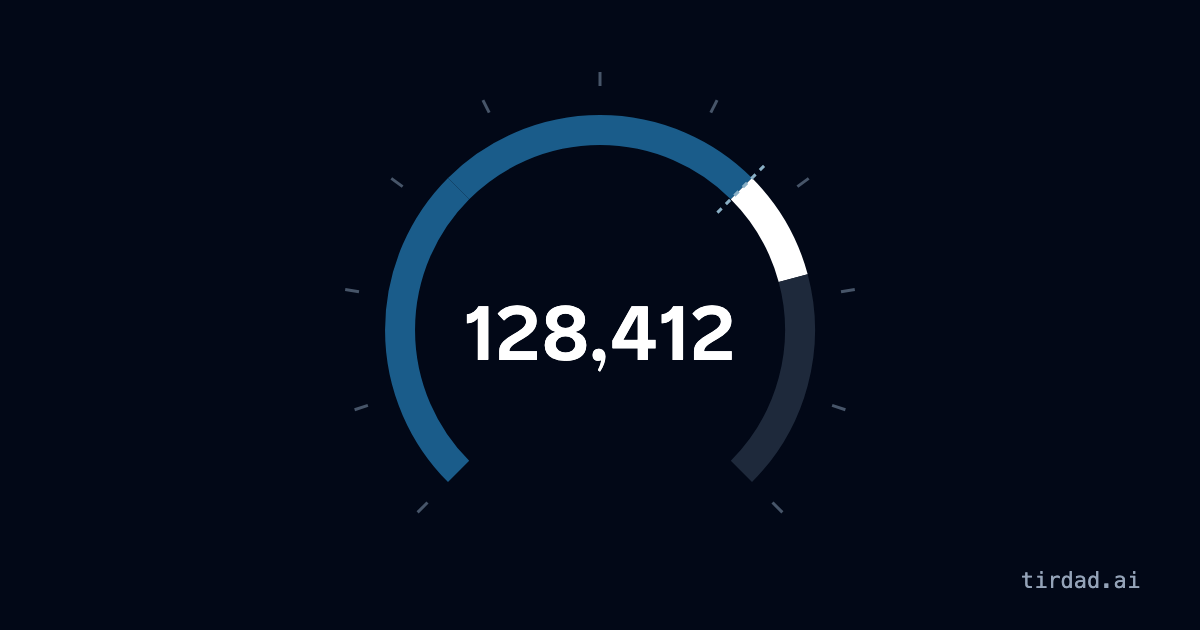
- A meter counts it. The meter is the running total per customer: 128,412 API calls this month, and counting.
- A price turns the count into money. Flat per unit, or tiered — the first 10,000 calls at one rate, the next 90,000 cheaper, volume discounts built into the plan itself.
- The invoice writes itself. At the end of the period, the count × the price appears as a line item. No spreadsheet, no export, no month-end scramble.
The only integration work on your side is step one: send the event. Everything after that is the billing platform's job.
Metering counts. Limits enforce.
Metering has a twin that gets less attention but matters just as much: limits.
A plan doesn't just price usage — it defines how much usage each tier is entitled to. Starter includes 10,000 calls; Growth includes 100,000. When a customer hits the cap, you decide what happens: block further usage, warn them, or keep serving and bill the excess as overage.
That last option changes the economics of your product. An enforced cap protects you from runaway costs; billed overage turns your best customers' enthusiasm into revenue instead of a support ticket. Metering counts; limits enforce — you need both halves.
Who this is for
Metered billing is how every AI product you know charges — per token, per generation, per minute of compute. But it's not an AI-only model. If your product does something countable, it can be metered: messages sent, documents processed, deliveries routed, rides completed, gigabytes stored.
It also mixes with subscriptions. The most common serious pricing model today is hybrid: a base monthly fee that includes an allowance, plus metered overage past it. Predictable revenue for you, a fair bill for the customer.
What this looks like in Tirdad
In Tirdad, metering is not a bolt-on — it's the core of the platform:
- Your product sends usage events through the API or SDKs (TypeScript, Python, Go).
- Meters aggregate them in real time — the dashboard updates within seconds, not at month-end.
- Prices are configured per plan, in Saudi riyals, with flat or tiered rates.
- Limits and entitlements are enforced automatically, with overage billed if that's what you choose.
- Invoices are generated with every metered line item itemized.
Changing a rate, a tier, or a cap is a dashboard edit — not an engineering ticket.
This is the first article in billing, explained — a series that takes one billing concept a week and explains it in plain language. Next up: entitlements.
Ready to meter your product? Start free at tirdad.ai.