Proration, explained
July 11, 2026
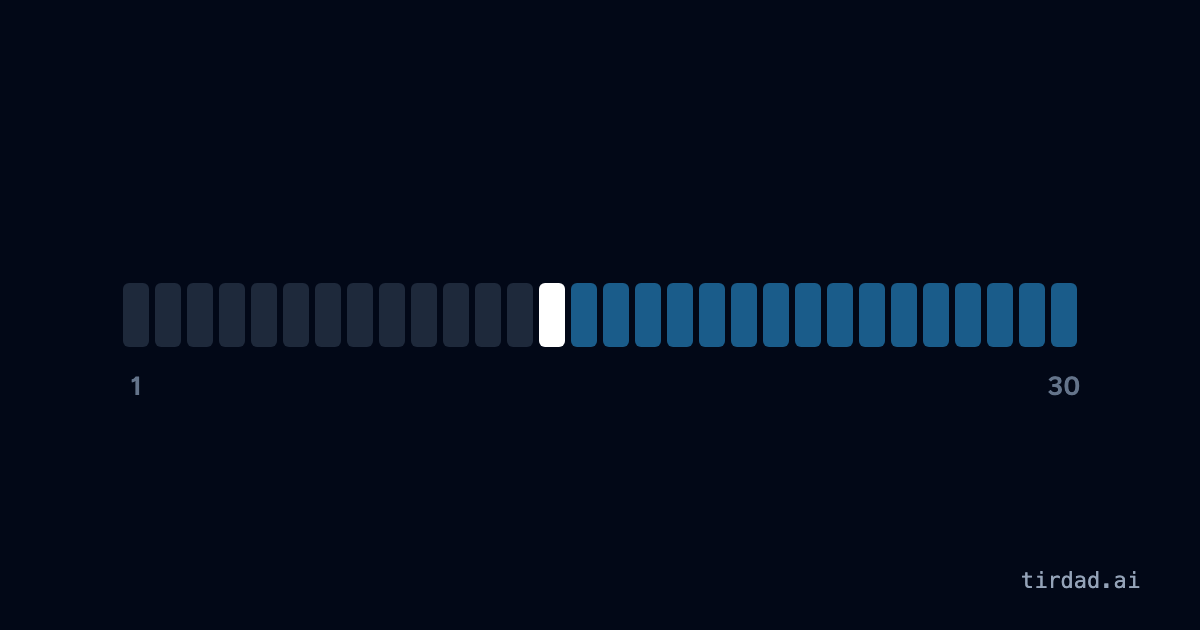
A customer upgrades from Starter to Growth on day 14 of the month. What do you charge them?
Bill the full Growth price and they've paid twice for half a month. Wait until next month and you've given away two weeks of the bigger plan. Work it out by hand in a spreadsheet and — eventually, at some customer, on some month with 31 days — you'll get it wrong, and the correction will cost more goodwill than the amount involved.
This exact question has a name, and a correct answer.
What proration is
Proration means charging for the portion of the billing period each plan was actually active. Nothing more, nothing less.
Upgrade on day 14 of a 30-day cycle? The customer has used 14 days of Starter and will use 16 days of Growth. A prorated invoice charges exactly that: a credit for the unused 16 days of Starter, a charge for 16 days of Growth. Fair in both directions — the customer never pays twice, and you never give plan time away.
The three moments proration happens
- Upgrades — the common case. The unused portion of the old plan comes back as credit; the remainder of the period is charged at the new plan's rate. The upgrade takes effect immediately, which is what the customer wants — they upgraded because they need the bigger plan now.
- Downgrades — same math in reverse, though many businesses choose to apply downgrades at the next renewal instead. Both are legitimate; what matters is that it's a setting, not an argument with a spreadsheet.
- Cancellations — the sharp one. Cancel immediately with a prorated credit for the unused time, or run until the period ends? The honest answer differs by product and by market. It should be a choice you make once, per policy — not a calculation someone does per ticket.
Where manual proration breaks
The math looks easy — days remaining over days total — until reality arrives: months of different lengths, annual plans upgraded in month seven, a seat added on a Tuesday, taxes that must be prorated along with the base amount, and a credit note that has to reference the original invoice for the books to reconcile. Every one of these is a place where a hand-rolled system quietly drifts from what was actually fair.
That drift has a business cost beyond the riyals involved: customers who don't trust an invoice ask for a human, and finance teams that don't trust the math re-check it monthly. Proration is one of those features nobody celebrates when it works and everybody pays for when it doesn't.
What this looks like in Tirdad
In Tirdad, proration is a policy you set, not math you do:
- Upgrades and downgrades are prorated automatically — credit for the unused time, charge for the remainder, both as clear line items on the invoice.
- Cancellations offer the choice built in: end the subscription now with proration from the current period, or at the period's end.
- Invoices show the work — prorated amounts appear as itemized lines, so the customer can see exactly why the number is what it is.
- Taxes and credit notes follow along — prorated charges carry their tax treatment, and credits reference the invoices they adjust.
The customer upgrades on day 14; the correct invoice exists by day 14. Nobody opens a spreadsheet.
This is billing, explained · 03 — one billing concept a week, in plain language. Previously: entitlements. Next up: dunning.
Ready for invoices that do their own math? Start free at tirdad.ai.